Best Luxury Hotels in Tokyo Worth Booking in 2026

Introduction
Tokyo honestly changed the way I think about luxury travel. I used to assume a “luxury hotel” just meant expensive sheets, a rooftop bar, and maybe someone handing you sparkling water at check-in. Tokyo? Totally different beast. Here, luxury feels intentional. Quiet. Precise. Sometimes almost absurdly detailed in the best way possible.
One thing I learned the hard way during my first high-end Tokyo trip was this: location matters way more than most travel blogs admit. I once booked a beautiful hotel because the suite photos looked unreal, but I ended up spending nearly 90 minutes every day crossing the city for reservations and shopping. Brutal mistake. Tokyo is massive, and even wealthy travelers can accidentally waste valuable vacation time just riding trains if they don’t choose carefully.
Luxury hotel demand in Tokyo keeps growing because travelers are shifting toward experience-focused trips instead of rushed sightseeing. And honestly, I get it now. After staying in several luxury properties across Ginza, Marunouchi, and Shinjuku, I realized the hotel becomes part of the trip itself — not just where you sleep.
This guide covers the best luxury hotels in Tokyo worth booking in 2026, especially for travelers who want exceptional service, Michelin-level dining, incredible skyline views, privacy, and locations that actually make exploring Tokyo easier instead of exhausting.
I’ll also share the small things nobody told me before I booked — like why some luxury hotels feel surprisingly sterile, which neighborhoods are best for first-time luxury travelers, and why Japanese hospitality can honestly ruin other hotels for you afterward. Seriously… it kinda happened to me.
What Makes a Luxury Hotel in Tokyo Truly Worth It?
The first mistake I made in Tokyo was assuming bigger room equals better experience. Nope. In Tokyo, the smartest luxury travelers optimize for location, service, atmosphere, and convenience before square footage.
One hotel I booked had a massive suite with beautiful decor, but the nearest station required a weird uphill walk that became annoying fast after long shopping days in Ginza. Meanwhile, another hotel had a smaller room but perfect access to restaurants, luxury boutiques, and train lines. Guess which stay I enjoyed more? Yeah. Convenience wins in Tokyo almost every time.
The biggest difference between luxury hotels in Japan and luxury hotels elsewhere is something called omotenashi. It’s basically Japanese hospitality, but honestly the word doesn’t fully explain it. Staff remember tiny preferences without making it feel awkward. Someone quietly replaced my charging cables with organized cable ties during housekeeping once. Another hotel noticed I preferred sparkling water and stocked extra bottles every evening without me asking again.
That level of attention can spoil you pretty quick.
Location also matters more than travelers realize because Tokyo is enormous. Luxury travelers usually do best staying in:
- Ginza for shopping and upscale dining
- Marunouchi for convenience and elegant business luxury
- Shinjuku for nightlife and skyline views
- Shibuya for modern energy and trend-focused experiences
- Azabudai Hills for newer ultra-luxury developments
Another thing people underestimate is hotel dining. Some Tokyo luxury hotels have restaurants that are honestly destination-worthy by themselves. I once skipped an entire dinner reservation elsewhere because the hotel sushi counter was too good to leave. No regrets.
Wellness facilities matter too, especially after long international flights. A good Tokyo luxury hotel spa can completely change your trip rhythm. Jet lag hit me like a truck on my second Tokyo visit, and I spent an afternoon at the hotel spa instead of forcing sightseeing. Best decision ever honestly.
Luxury travelers should also pay attention to atmosphere. Some hotels lean heavily into quiet minimalism while others feel more social and fashionable. Aman Tokyo feels serene and almost meditative. Bulgari Tokyo feels glamorous and energetic. Park Hyatt Tokyo has this timeless, mature vibe that feels cinematic in a weirdly comforting way.
And here’s something people don’t talk about enough: skyline views matter a lot in Tokyo because the city transforms at night. Watching Tokyo light up from a high-floor suite while eating room service ramen at midnight? Weirdly unforgettable.
Aman Tokyo — The Most Iconic Luxury Stay in Tokyo
Aman Tokyo is probably the closest thing Tokyo has to a universally agreed “best luxury hotel,” although luxury is subjective obviously. Still, this place is kinda ridiculous in the best way possible.
The first thing that hits you is the silence.
Tokyo outside is loud, busy, chaotic, flashing everywhere, people moving constantly. Then you walk into Aman Tokyo and suddenly everything slows down. The lobby feels less like a hotel and more like some giant minimalist sanctuary floating above the city.
I remember standing near the massive windows during sunset thinking, “Okay… now I understand why people obsess over this place.” The skyline views are unreal, especially from the higher suites.
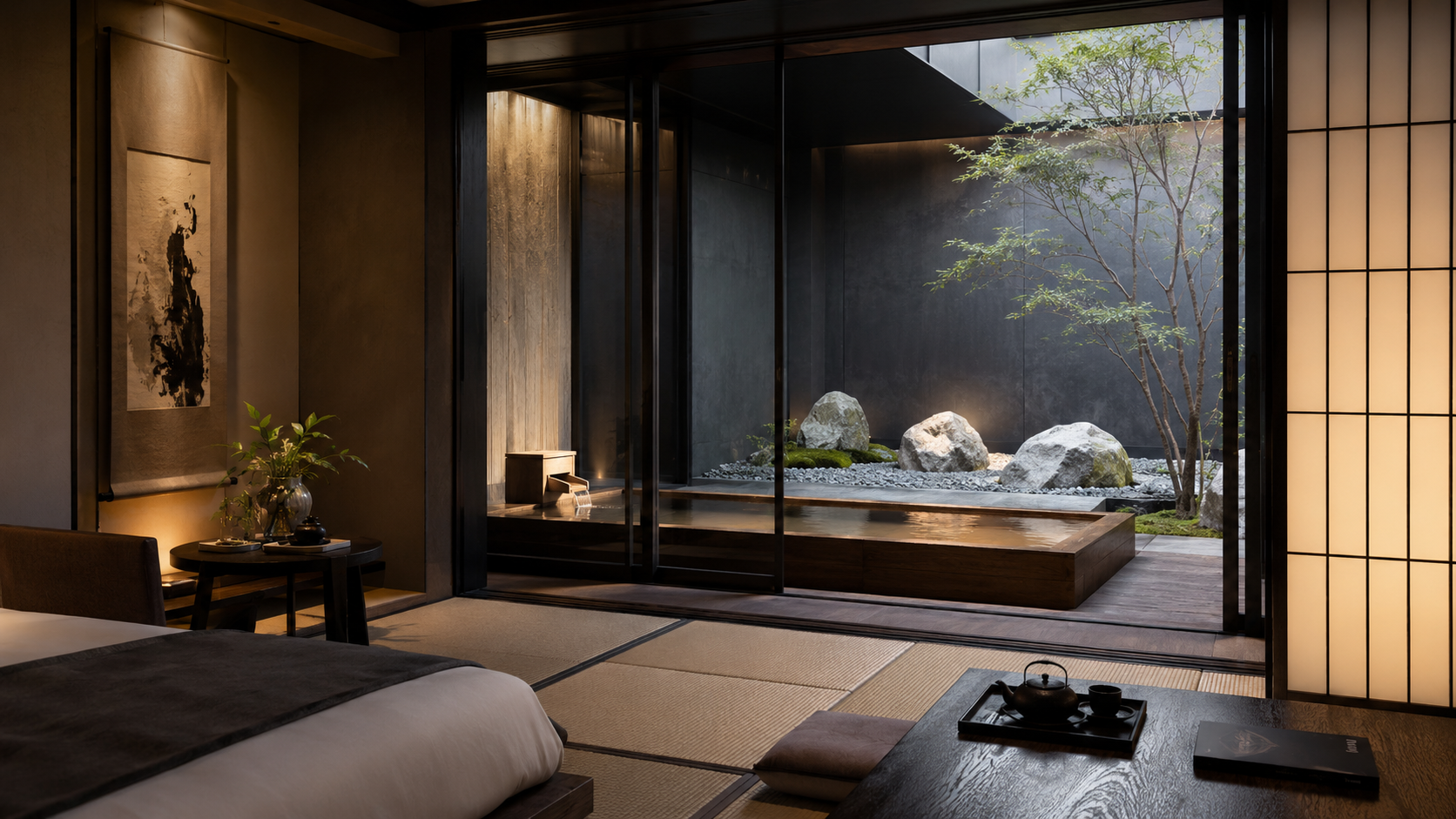
The design philosophy here is heavily inspired by traditional Japanese aesthetics, but done in a very modern luxury way. Natural wood, stone, soft lighting, huge open spaces. It somehow feels both grand and calming at the same time.
One thing I appreciated was the privacy. Aman Tokyo attracts celebrities, executives, and wealthy travelers who don’t necessarily want a loud social scene. Staff are incredibly discreet. Nobody bothers you. Nobody oversells anything.
The spa is honestly one of the best luxury hotel spas I’ve experienced anywhere.
After a brutal long-haul flight, I booked a massage thinking it would just help me relax a little. Instead, I ended up spending almost four hours moving between the spa facilities, soaking pools, steam rooms, and quiet lounge areas. My original sightseeing plans for the day were completely abandoned lol.
Room categories matter here.
If your budget allows it, booking a suite with panoramic skyline exposure is worth it. Tokyo becomes part of the room itself at night. Watching rain move across the city from floor-to-ceiling windows was weirdly hypnotic.
That said, Aman Tokyo is not perfect for everyone.
Some travelers might find the atmosphere too quiet or formal. If you want energetic nightlife vibes, trendy crowds, or a very social hotel environment, Bulgari or certain Shibuya luxury hotels may fit better.
And yes, the pricing is intense.
During peak cherry blossom season, premium rooms can easily reach several thousand dollars per night. Taxes and service fees also adds up faster than expected.
Still though, if someone asked me which Tokyo luxury hotel feels the most uniquely “Tokyo,” Aman would probably still be my answer.
The Peninsula Tokyo — Best for First-Time Luxury Travelers
If Aman Tokyo feels like a quiet luxury retreat, The Peninsula Tokyo feels like the polished, ultra-reliable friend who somehow makes everything easier.
This is the hotel I usually recommend to first-time luxury travelers visiting Tokyo because the location is almost unfairly convenient.
You’re right near Marunouchi and Ginza, which means luxury shopping, fine dining, train access, and upscale cafes are all ridiculously accessible. I stayed here during a trip where I had multiple dinner reservations scattered across the city, and the convenience genuinely reduced travel stress.
That matters more than people think.
Tokyo can become exhausting if you constantly bounce between neighborhoods inefficiently. Staying somewhere central changes the entire energy of the trip.
The rooms at Peninsula Tokyo also feel noticeably larger than many Tokyo luxury hotel rooms. Not gigantic by American luxury standards maybe, but spacious enough that you don’t feel cramped after shopping or long sightseeing days.
One thing I loved was how intuitive the service felt.
At some luxury hotels around the world, service can feel performative or overly scripted. Peninsula staff somehow manage to be warm, efficient, and incredibly professional without feeling robotic.
Their concierge team deserves serious praise too.
I once struggled to secure a last-minute reservation at a difficult-to-book sushi restaurant. The concierge quietly handled it within a few hours. No drama. No weird upselling. Just solved the problem.
The hotel’s afternoon tea is also worth experiencing at least once, even if you normally skip hotel tea services. I’m not usually an “afternoon tea person” honestly, but the presentation and atmosphere here made it feel special instead of gimmicky.
Another luxury touch travelers love is the Rolls-Royce airport transfer service. Is it necessary? Obviously not. Did I still enjoy it way more than expected? Yep.
The Peninsula works especially well for travelers who:
- Want easy access to Ginza shopping
- Prefer classic luxury over trendy minimalism
- Need strong concierge support
- Want smooth transportation logistics
- Are visiting Tokyo for the first time
If I had to criticize something, the atmosphere may feel slightly traditional for younger travelers seeking ultra-modern luxury energy. But honestly, the consistency and convenience make this hotel one of Tokyo’s safest luxury bets.
Four Seasons Hotel Tokyo at Otemachi — Best Skyline Views
I didn’t expect Four Seasons Otemachi to impress me as much as it did.
Sometimes modern luxury hotels feel too polished. Too corporate. Too perfect in a way that lacks personality. But this property surprised me because it balances sleek contemporary luxury with warmth surprisingly well.
The skyline views are honestly the main attraction here.
I booked a corner room thinking the photos online were probably exaggerated a little. They were not exaggerated. At night, the city stretches endlessly in every direction. Watching Tokyo glow while sitting near the window with tea after a long day became this weird nightly ritual for me.
If you’re someone who values panoramic city views, this hotel absolutely deserves consideration.
The design leans modern and elegant without feeling cold. Neutral tones, floor-to-ceiling glass, beautiful bathrooms, clean lines everywhere. It feels sophisticated but still comfortable enough that you can actually relax.
One small detail I appreciated was the lighting controls. Sounds random, I know. But luxury hotels often overcomplicate room technology. Here, everything felt intuitive instead of frustrating.
The dining scene is excellent too.
Their restaurants attract both hotel guests and Tokyo locals, which is usually a good sign. I had one breakfast there that genuinely ruined standard hotel breakfasts for me afterward. The fruit quality alone was absurdly good.
The spa and wellness facilities are also top-tier.
After spending entire days walking through Tokyo neighborhoods, having access to a serene wellness space becomes way more important than travelers realize. I once underestimated how physically tiring Tokyo could be. My step count hit nearly 28,000 in one day. My legs were absolutely cooked.
This hotel works especially well for:
- Couples wanting romantic skyline views
- Luxury business travelers
- Travelers who love modern aesthetics
- Guests prioritizing wellness facilities
- People who prefer quieter upscale neighborhoods
Compared to Four Seasons Marunouchi, the Otemachi property feels more dramatic visually and more resort-like overall.
One downside though? The atmosphere can feel slightly less intimate compared to smaller boutique luxury hotels. Not a dealbreaker at all, but worth knowing depending on your travel style.
Still, for skyline lovers, this place is hard to beat.
Park Hyatt Tokyo — The Legendary Tokyo Luxury Experience
Park Hyatt Tokyo has this strange timeless quality that’s hard to explain unless you’ve stayed there.
Yes, people know it because of Lost in Translation. And honestly? I worried that connection would make the hotel feel touristy or overhyped. Weirdly, it doesn’t.
Instead, it feels mature.
Sophisticated. Quiet. Slightly nostalgic maybe.
The moment I walked into the New York Bar area, I immediately understood why travelers still obsess over this hotel decades later. There’s this moody jazz-club atmosphere at night that feels cinematic without trying too hard.
Unlike some newer luxury hotels chasing trends constantly, Park Hyatt Tokyo feels confident in what it is.
The rooms are spacious by Tokyo standards and designed with a more classic luxury aesthetic. Some younger travelers might prefer ultra-modern styling elsewhere, but personally I found the atmosphere incredibly relaxing.
The Shinjuku location is also underrated.
You get access to incredible nightlife, restaurants, shopping, and some of the city’s best skyline perspectives. Watching the city from high floors here during rainy evenings felt almost surreal.
One thing I appreciated was how calm the property feels despite being located in one of Tokyo’s busiest districts.
After chaotic days crossing Shibuya intersections and navigating packed stations, returning to Park Hyatt felt like stepping into a completely different version of Tokyo.
I also think this hotel appeals especially to travelers who value atmosphere over social-media-driven luxury trends.
Not every luxury traveler wants DJs in the lobby or influencers taking photos everywhere. Some people just want exceptional service, timeless interiors, incredible views, and a proper cocktail at the end of the night.
That’s Park Hyatt Tokyo.
The hotel has undergone updates and renovations heading into 2026, which helps modernize certain areas while preserving its iconic identity.
If I had one complaint, it’s that certain travelers expecting ultra-flashy modern luxury might find it slightly understated. But honestly, that restraint is part of its charm.
This isn’t the loudest luxury hotel in Tokyo.
It might be the coolest though.
Bulgari Hotel Tokyo — New Ultra-Luxury Contender
Bulgari Hotel Tokyo feels very different from Aman or Park Hyatt.
This place is glamorous.
The second you enter, you can feel the Italian luxury influence mixed with Japanese precision. Everything feels sharp, fashionable, curated, and expensive in a very intentional way.
I stayed here after several nights in more minimalist Japanese-inspired hotels, and the contrast was honestly refreshing.
The design leans bold without becoming tacky. Rich materials, dramatic lighting, elegant textures, stunning floral arrangements everywhere. It feels social and energetic in a way many Tokyo luxury hotels don’t.
The clientele reflects that atmosphere too.
You’ll see fashion travelers, luxury shoppers, international executives, and guests who clearly enjoy visible luxury experiences. If Aman Tokyo whispers, Bulgari Tokyo definitely speaks louder.
The rooms are beautiful.
Bathrooms especially stand out. Deep soaking tubs, premium amenities, incredible finishes. One thing I noticed immediately was how comfortable the beds were. Like dangerously comfortable. I accidentally overslept one morning and missed an early coffee reservation in Ginza because of it.
No regrets honestly.
Dining is another major strength.
The Italian influence brings a slightly different luxury dining experience compared to traditional Japanese hotel restaurants. I had one pasta dish there that I still randomly think about months later, which is kinda ridiculous when you consider how much incredible food exists in Tokyo.
Location-wise, Bulgari works very well for travelers prioritizing luxury shopping and central access.
This hotel especially suits people who:
- Love modern glamorous luxury
- Want a fashionable atmosphere
- Prefer newer hotel properties
- Enjoy luxury shopping
- Appreciate social energy over quiet minimalism
Now… is it worth the premium pricing?
That depends.
Bulgari Hotel Tokyo is expensive even by Tokyo luxury standards. During peak travel periods, rates can become genuinely eye-watering.
But if your goal is experiencing one of Tokyo’s newest ultra-luxury hotels with standout design and a more energetic atmosphere, it absolutely delivers.
Best Areas to Stay in Tokyo for Luxury Travelers
Choosing the right neighborhood in Tokyo honestly matters almost as much as choosing the hotel itself.
I learned this after splitting one trip between two districts that looked similar online but felt completely different in real life.
Ginza is probably the safest choice for most luxury travelers.
You get luxury shopping, upscale dining, excellent walkability, refined atmosphere, and convenient transportation. If your ideal Tokyo trip includes designer boutiques, sushi counters, cocktail bars, and polished city energy, Ginza works beautifully.
Marunouchi feels slightly calmer and more elegant.
This area works especially well for business travelers or people who prioritize transportation convenience because Tokyo Station access is fantastic. Luxury hotels here also tend to feel more refined and understated.
Shinjuku offers a very different experience.
This is where you stay if you want nightlife, neon skyline views, entertainment, and nonstop energy. Some travelers find it overwhelming. Others absolutely love it.
Personally, I think Shinjuku becomes more enjoyable when paired with a calm luxury hotel because it creates balance.
Shibuya feels younger and trendier overall.
Luxury travelers staying here usually want modern Tokyo energy, upscale fashion, stylish cafes, and nightlife access. It’s less traditionally elegant than Ginza but more dynamic.
Azabudai Hills is becoming increasingly important in Tokyo’s luxury scene too.
New ultra-luxury developments, upscale dining, and premium residences are transforming the area fast. Travelers who like staying ahead of trends should watch this district closely over the next few years.
One huge mistake travelers make is trying to stay “everywhere at once.”
Tokyo is enormous.
Instead of optimizing for perfect access to every neighborhood, choose the district that best matches your travel priorities.
Your experience becomes much smoother that way.
How Much Do Luxury Hotels in Tokyo Cost in 2026?
Luxury hotel pricing in Tokyo can swing wildly depending on season, room category, and even local events.
The first time I visited during cherry blossom season, I nearly choked looking at hotel prices. Rooms that normally cost around $900 per night suddenly jumped well beyond $1,600.
Peak season in Tokyo is no joke.
For 2026, travelers should realistically expect:
- High-end luxury hotels: $700–$1,500 per night
- Ultra-luxury suites: $2,000–$10,000+ per night
- Premium cherry blossom rates: significantly higher
- Holiday periods: major price spikes
Cherry blossom season and autumn foliage season are usually the most expensive periods.
Christmas and New Year pricing can also become surprisingly aggressive at top properties.
One thing travelers often forget is taxes and service charges.
I once budgeted carefully for a luxury stay, then realized additional fees pushed the final cost way above what I originally expected. Tokyo luxury hotels frequently add service charges, occupancy taxes, and premium dining expenses that accumulate fast.
Dining can become a hidden luxury cost too.
A single hotel breakfast for two at some properties can easily exceed what many travelers spend on an entire day of meals elsewhere in Japan.
Worth it sometimes? Honestly yes.
But it’s smart to plan for it.
Another mistake people make is waiting too long to book.
The best luxury suites in Tokyo disappear surprisingly early, especially at Aman Tokyo, Bulgari Tokyo, and top cherry blossom-view properties.
If your dates are fixed, booking several months ahead is usually the safest strategy.
I’ve also found that certain weekdays occasionally offer noticeably better rates compared to weekends, especially for business-oriented luxury hotels.
Flexibility helps more than people realize.
Luxury Hotel Booking Tips I Wish I Knew Earlier
I made several expensive mistakes during my early luxury trips to Tokyo.
Some were minor. Others genuinely affected the experience.
First: don’t automatically assume third-party booking sites always offer the best value.
Sometimes booking directly with luxury hotels includes benefits like:
- Complimentary breakfast
- Spa credits
- Late checkout
- Room upgrades
- Priority concierge assistance
- Flexible cancellation terms
I learned this after booking through a discount platform only to discover direct bookings received better upgrade priority. That stung a little.
Another huge tip: reserve restaurants early.
Top Tokyo restaurants book out far in advance, and your luxury hotel concierge can become incredibly valuable here. I underestimated this badly during one trip and missed several restaurants I desperately wanted to try.
Room categories matter too.
Not every upgrade is worth the extra money.
Personally, I think paying for better views often delivers more value than paying for slightly larger room size. Tokyo’s skyline becomes part of the luxury experience itself.
Airport transfers are another thing travelers underestimate.
After long international flights, navigating Tokyo transit with luggage can feel rough even if you’re experienced. Private airport transfers or limousine buses become worth considering, especially for shorter luxury trips where convenience matters.
Travel insurance is also important.
Luxury travel means expensive reservations, premium dining bookings, and prepaid experiences. One delayed flight can create a domino effect of losses surprisingly fast.
I also recommend avoiding overpacked itineraries.
This was probably my biggest mistake.
I treated Tokyo like a checklist city at first. Huge error. Luxury travel in Tokyo becomes much better when you slow down and actually enjoy the hotel experience itself.
Some of my favorite memories were simple:
- Watching rain over the skyline
- Quiet late-night room service meals
- Long hotel breakfasts
- Spa afternoons after shopping
- Cocktails with city views
You don’t need to schedule every minute.
Tokyo already provides enough stimulation on its own.
Conclusion
Tokyo might honestly be one of the best luxury travel cities in the world because it combines things that usually don’t coexist — efficiency, calmness, incredible food, deep culture, and ridiculously polished hospitality.
After several stays across the city, I realized the “best” luxury hotel isn’t always the newest or most expensive one. It’s the property that matches how you want to experience Tokyo.
If you want peaceful minimalist luxury and privacy, Aman Tokyo is tough to beat. If convenience matters most, The Peninsula Tokyo makes life incredibly easy. And if skyline views are your thing, Four Seasons Otemachi is honestly spectacular at night.
One mistake I made early on was overpacking my itinerary and underestimating jet lag. Tokyo luxury hotels are designed to be experienced slowly. Leave time for the spa. Sit in the lounge longer than planned. Watch the skyline with room service one night instead of chasing another reservation.
Weirdly enough, those became my favorite memories.
Before booking, think carefully about:
- Neighborhood
- Dining priorities
- Transportation convenience
- Atmosphere preference
- Shopping access
- Wellness facilities
And seriously, book early if you’re traveling during cherry blossom season. The best suites disappear fast.
If you’ve stayed at a luxury hotel in Tokyo, share your favorite property and experience. Travelers planning a once-in-a-lifetime Japan trip love hearing real opinions before spending thousands on accommodations.
Semantic Keywords
luxury hotels tokyo
best luxury hotels tokyo
tokyo luxury hotels 2026
5 star hotels tokyo
tokyo hotel guide
aman tokyo review
peninsula tokyo review
park hyatt tokyo
bulgari hotel tokyo
four seasons tokyo
luxury ryokan tokyo
best hotels in ginza
best hotels in shinjuku
marunouchi luxury hotels
tokyo skyline hotel
tokyo suite hotel
best hotel views tokyo
tokyo luxury travel
japan luxury travel
tokyo honeymoon hotels
tokyo spa hotels
tokyo luxury suites
tokyo hotel with city view
where to stay in tokyo luxury
best area to stay tokyo
luxury japan itinerary
tokyo concierge hotel
tokyo hotel with michelin restaurant
tokyo premium hotels
tokyo luxury experience
exclusive hotels tokyo
tokyo luxury accommodations
tokyo high end hotels
luxury travel japan
best luxury travel japan
tokyo private transfer hotel
tokyo luxury shopping hotel
ginza luxury hotels
shibuya luxury hotels
tokyo five star hotel guide
tokyo hotel recommendations
tokyo luxury vacation
best places to stay in tokyo
tokyo luxury hospitality
tokyo business luxury hotels
romantic hotels tokyo
tokyo luxury stay
tokyo boutique luxury hotel
tokyo modern luxury hotel
tokyo traditional luxury hotel
japanese luxury hospitality
tokyo hotel booking tips
best hotel for first time tokyo
tokyo luxury concierge
tokyo premium travel guide
luxury asia hotels
tokyo luxury lifestyle
tokyo hotel near shopping
tokyo hotel near tokyo station
best luxury suites japan
tokyo travel planning
high end travel japan
luxury hotel comparison tokyo
best japanese luxury hotels
tokyo hotel amenities
tokyo luxury wellness hotel
tokyo elite hotels
luxury hotels japan 2026